Growth
The 6 Emotional Stages of Retirement (and How to Navigate Each One)

The short answer
The six stages of retirement, as described by gerontologist Robert Atchley, are pre-retirement, the honeymoon, disenchantment, reorientation, stability (routine) and termination (later-life change). Not everyone moves through every stage or in the same order, but knowing them helps people recognize that a post-honeymoon dip is normal and usually leads to a more satisfying routine.
Key takeaways
- Retirement is a process, not a single day.
- A dip after the honeymoon period is common and expected.
- Reorientation is where people build a retirement that fits who they are now.
- Not everyone experiences every stage, or in the same order.
- Planning ahead can shorten and soften the difficult phases.
The stages of retirement: a process, not a party
The retirement party marks one day. The transition takes much longer. In the 1970s, gerontologist Robert Atchley described retirement as a series of phases people tend to move through as they adjust. His model is still widely referenced because it matches what so many retirees experience: excitement, then an unexpected slump, then a gradual rebuilding.
The phases aren’t a rigid timeline. Some people skip stages, some cycle back, and the length of each varies widely. Think of them as a map, not a schedule.
1. Pre-retirement: anticipation and planning
What it feels like: Retirement moves from “someday” to a date on the calendar. People often focus on finances and logistics, and daydream about free time. Some feel anxious or ambivalent.
What helps: Plan for the non-financial side now. What will give your days structure, purpose and connection? Our emotional readiness questions are a good start.
2. The honeymoon: freedom and relief
What it feels like: No alarm clock. Travel, projects, long lunches. Many people describe feeling like they’re on an extended vacation.
What helps: Enjoy it! But also notice what you’re drawn to. The honeymoon is great data for what you might build later.
3. Disenchantment: the post-honeymoon dip
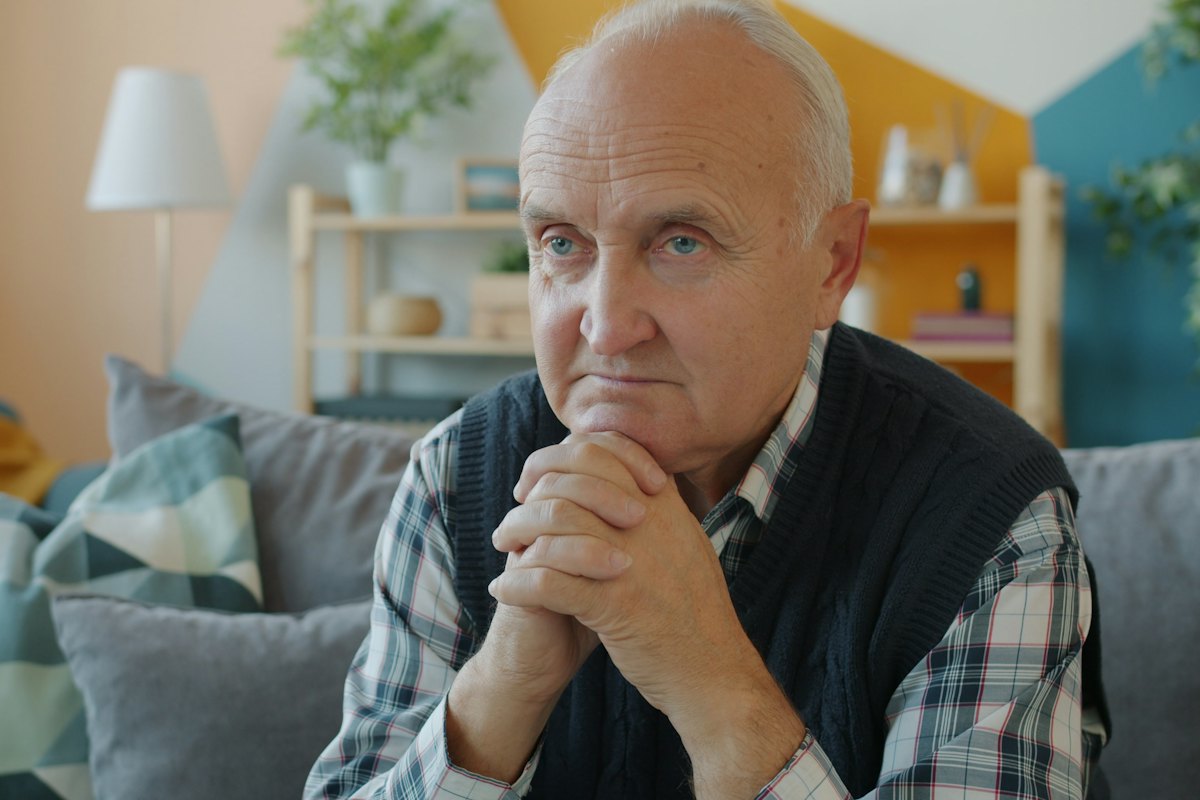
What it feels like: The novelty fades. Days can feel empty or repetitive. People may feel bored, restless, irritable, or that retirement isn’t what they expected. This is the stage most people aren’t warned about.
What helps: Know that this is common and usually temporary. Add structure and connection, and start small experiments with purpose. See feeling lost after retirement for practical steps. If low mood is persistent or severe, talk with a health professional.
4. Reorientation: building a realistic retirement
What it feels like: You start asking better questions: What do I actually want my days to look like? What matters now? People begin to shape a lifestyle that fits who they are, not who they were at work.
What helps: Reflection plus action. Clarify values, test new roles, and design a weekly rhythm. This is where a structured plan, such as a Flourish Plan, is especially useful.
5. Stability: a satisfying routine
What it feels like: Life settles into a rhythm that feels meaningful and sustainable. You know what a good week looks like and how to adjust when things change.
What helps: Keep growing. Check in every year or so on your purpose, health, relationships and interests, and refresh your plan as needed.
6. Termination: later-life change
What it feels like: Atchley used “termination” to describe when the retirement role itself changes, for example because of illness, disability, caregiving or a return to work. It isn’t about an ending so much as another transition.
What helps: The same skills: naming what’s changing, leaning on support, and adapting your plan. People who have practiced intentional transitions earlier often navigate these later ones with more confidence.
Can you skip the disenchantment stage?
Not always, but you can usually make it shorter and gentler. People who plan for purpose, structure and connection before they retire tend to have a smaller post-honeymoon slump. That’s the idea behind moving from retirement planning to retirement readiness.
How Flourish helps at every stage
Whether retirement is a year away or already underway, Flourish meets you where you are. Our Understand, Explore, Connect, Create process maps closely to these stages, helping individuals and couples across Erie and Niagara Counties move from “What now?” to “What’s next?”
Frequently asked questions
How long does the honeymoon phase of retirement last?
Does everyone go through all the stages of retirement?
Who created the stages of retirement model?
Ready to plan the life side of retirement?
Flourish Life Transitions Consulting helps individuals and couples across Buffalo, Erie County and Niagara County move from “What now?” to “What’s next?”
Book a consultation → Explore services