Purpose
Retirement Identity Crisis: Who Am I If I’m Not Working?
The short answer
A retirement identity crisis happens when your sense of self has been closely tied to your job, so leaving work leaves you unsure who you are or how to introduce yourself. It’s common and manageable. The path forward is to separate your values and strengths from your former role, experiment with new roles, and craft a new story about this chapter of your life.
Key takeaways
- The more your identity was built around work, the bigger the shift is likely to feel.
- Losing a role is a real loss, and it’s normal to grieve it.
- Your values, strengths and relationships come with you; only the role ends.
- Bridge roles, such as part-time work, mentoring or board service, can ease the shift.
- A new answer to “What do you do?” is part of building a new identity.
What is a retirement identity crisis?
At a party, someone asks, “So, what do you do?” For 35 years you had a ready answer. Now you hesitate. Maybe you say “I’m retired” and feel the conversation go flat. That small moment captures something bigger: for many people, work isn’t just what they do. It’s a large part of who they are.
A retirement identity crisis is the disorientation that can follow when that role ends. People describe feeling invisible, irrelevant, restless or oddly anxious even when retirement was something they chose and looked forward to.
Why work becomes so much of who we are
Work offers a ready-made identity: a title, expertise, a place in a team, and daily proof that you’re competent and needed. It also provides social status and a clear way to explain yourself to others. Professionals, business owners, clinicians, educators, first responders and leaders often feel the shift most strongly because their roles were demanding, visible and central to their self-image.
Signs you may be struggling with identity after retirement
- You still introduce yourself by your former job (“I was a principal…”).
- You feel uneasy or guilty when you’re not being productive.
- You miss being asked for your opinion or expertise.
- You keep checking in with your old workplace more than you’d like.
- You feel irritable or flat without being able to say why.
A helpful framework: the “4 S’s” of transition
Counseling psychologist Nancy Schlossberg’s transition model, widely used in adult development, suggests that how well we cope with any big change depends on four things:
- Situation: Was retirement chosen or forced? Sudden or planned? Are other changes happening at the same time?
- Self: Your personality, resilience, health and past experience with change.
- Support: The people and resources around you.
- Strategies: The practical and emotional tools you use to adapt.
Looking at all four can make an overwhelming feeling more concrete. You may not be able to change your situation, but you can almost always strengthen support and strategies.
How to build an identity beyond your career
Separate the role from the person
List what made you good at your job. Behind “I was a project manager” might be “I bring order to chaos, and people trust me to follow through.” Those qualities didn’t retire. They’re looking for a new place to be used.
Allow yourself to grieve
Leaving a career is a loss, even when it’s a happy one. Acknowledging what you miss, whether that’s colleagues, challenge or being needed, makes room for what comes next.
Try bridge roles
Phased retirement, consulting, part-time work, mentoring, nonprofit board service or teaching can let you carry your expertise into a new setting while you explore what else you want this chapter to hold.
Experiment with new identities
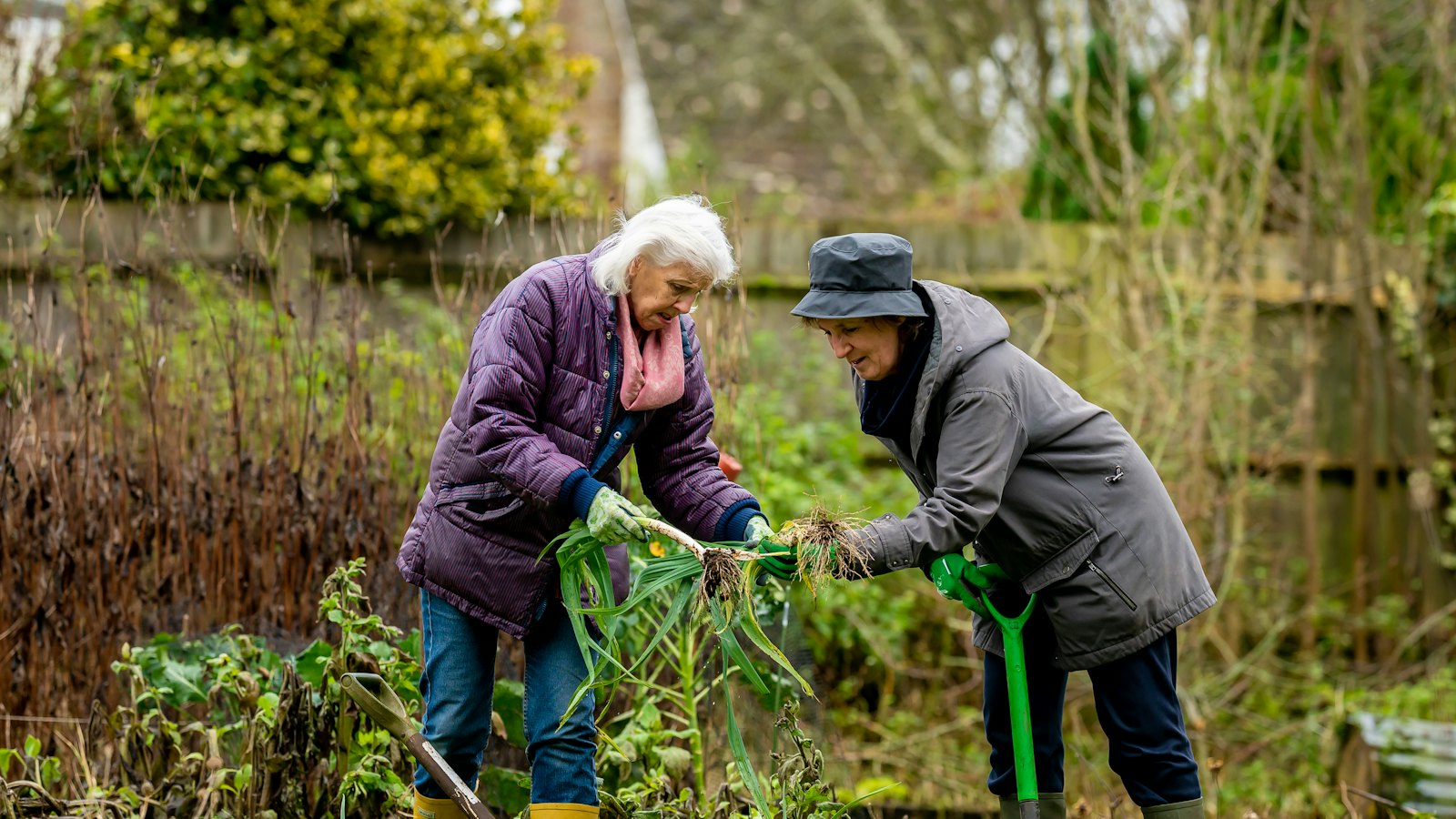
Gardener. Grandparent-in-chief. Volunteer firefighter auxiliary. Student. Writer. Identity grows from repeated action. Pick one or two roles to try for a season and notice which ones start to feel like “you.”
Write a new answer to “What do you do?”
Try: “I spent 30 years in healthcare. These days I’m mentoring new nurses and finally learning to paint.” A forward-looking answer helps you, and others, see who you’re becoming.
How Flourish helps
Identity work sits at the heart of the Flourish approach. In our second session, we focus specifically on identity, purpose and meaning: who you are beyond work and what you want to carry forward. Clients across Buffalo, Erie County and Niagara County use this work to build a sense of self that doesn’t depend on a title.
Frequently asked questions
Is a retirement identity crisis the same as depression?
Does everyone experience an identity crisis when they retire?
Can I prepare for the identity shift before I retire?
Ready to plan the life side of retirement?
Flourish Life Transitions Consulting helps individuals and couples across Buffalo, Erie County and Niagara County move from “What now?” to “What’s next?”
Book a consultation → Explore services